
Business
‘Grief Burns Like Fever’: This novel is a flashback of depravity during the surreal pandemic years
October 10, 2026
3,447 views
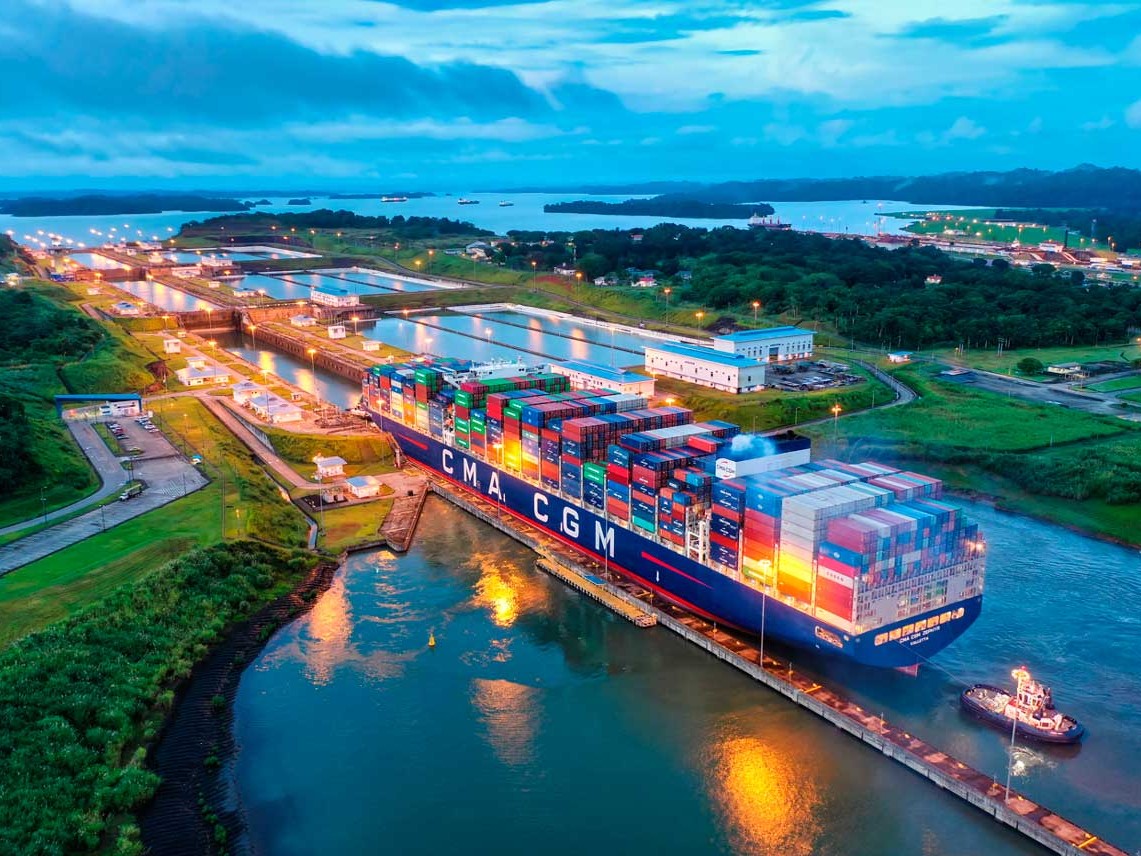
In a significant shift in global oil trade dynamics, oil tanker traffic through the Panama Canal has surged dramatically in recent weeks. This uptick is largely attributed to the ongoing tensions in the Middle East, particularly the blockade of the Strait of Hormuz, a vital artery for oil shipments. As Asian nations scramble to secure alternative sources of crude oil, the demand for U.S. crude has skyrocketed, making the Panama Canal the busiest it has been for American energy exports in the past four years.
The Strait of Hormuz has long been a critical passage for oil shipments, accounting for approximately 20% of the world's total oil consumption. However, due to recent conflicts and geopolitical tensions, this route has become increasingly perilous. As a result, Asian buyers are being forced to look elsewhere for their oil supplies. The United States, being a major oil producer, has emerged as a key alternative for these nations seeking to diversify their energy sources.
With the blockade of the Strait of Hormuz, U.S. crude oil has become a hot commodity in the Asian markets. Countries like China, Japan, and South Korea have ramped up their imports of American crude, leading to a noticeable increase in the number of tankers passing through the Panama Canal. The canal serves as a crucial shortcut for vessels traveling from the Gulf of Mexico to the Pacific, significantly reducing travel time and costs compared to more traditional routes.
As the demand for tanker slots in the Panama Canal increases, so too do the costs associated with transit. Reports indicate that the price of booking a last-minute slot has nearly tripled, soaring to almost $400,000 since the onset of hostilities in the region. This surge in fees underscores the growing pressure on shipping and logistics as companies scramble to secure timely deliveries amidst a backdrop of uncertainty and rising geopolitical tensions.
The increase in oil tanker traffic through the Panama Canal presents both challenges and opportunities for shipping companies and oil producers. Logistically, the influx of vessels can lead to congestion and longer wait times for transit. However, many companies are adapting by optimizing their shipping schedules and utilizing smaller vessels that can navigate the canal more efficiently.
While the surge in tanker traffic may provide short-term economic benefits, it also raises important environmental concerns. Increased shipping traffic can lead to greater risks of oil spills and marine pollution, particularly in the sensitive ecosystems surrounding the Panama Canal. Shipping companies and regulatory bodies are being called upon to implement stricter safety measures and environmental protections to mitigate these risks.
The ongoing situation in the Middle East and the corresponding rise in U.S. crude oil exports through the Panama Canal could herald a new era in global oil trade. As Asian countries seek to bolster their energy security by diversifying their sources, the importance of the Panama Canal as a transit route for U.S. oil is likely to grow. Analysts suggest that this trend may continue even after tensions in the Middle East subside, as nations look to reduce their dependence on any single source of oil.
As the geopolitical landscape continues to evolve, the Panama Canal stands at the forefront of a significant transformation in oil trade routes. The blockage of the Strait of Hormuz has not only increased traffic through this crucial waterway but has also highlighted the vulnerabilities within the global energy supply chain. The long-term implications of these changes remain to be seen, but one thing is clear: the dynamics of oil trade are shifting, and the Panama Canal is becoming an increasingly vital player in this new landscape.


Loading more news...
You've reached the end of our news feed. Check back later for more updates!