Politics
धरना-प्रदर्शनों का नया कारोबार: लोकतंत्र की आड़ में आखिर किसके हित साधे जा रहे हैं?
October 10, 2026
1,612 views
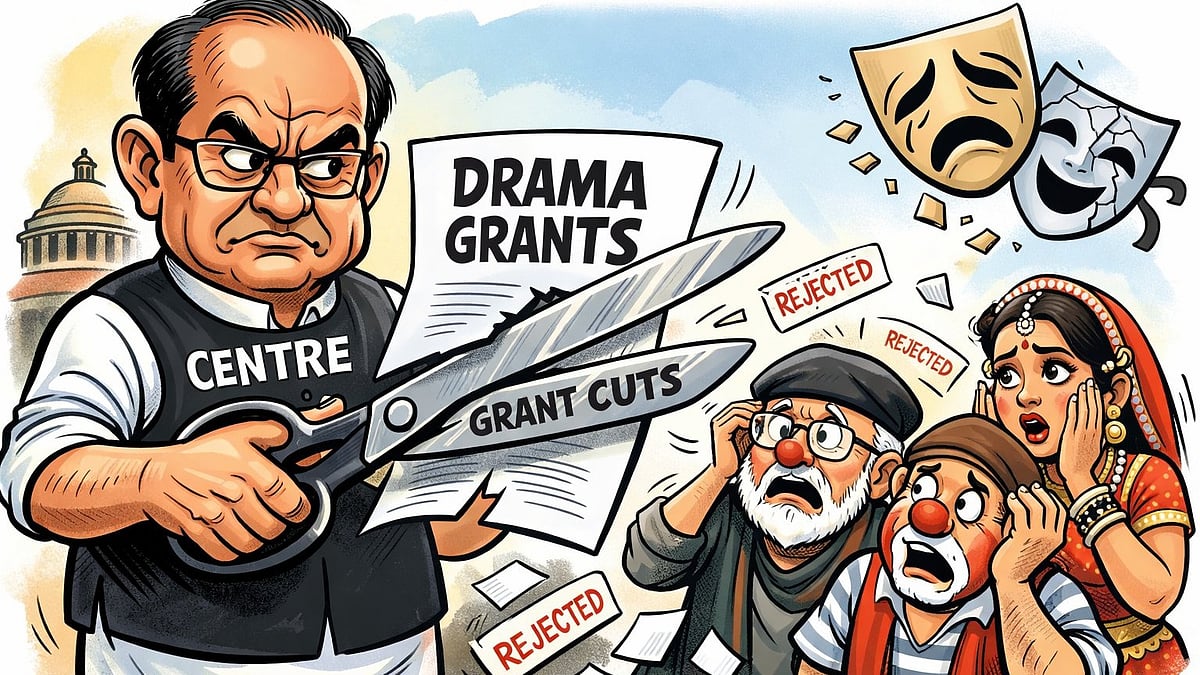
In a shocking turn of events, theatre artistes in Bhopal are grappling with a significant financial crisis following the recent denial of grants by the Central Government. The funding, which was anticipated for the period of 2024–26, has been denied to approximately 135 out of 214 repertories in Madhya Pradesh. This alarming statistic highlights a troubling trend that could have dire consequences for the future of performing arts in the region.
Theatre groups, which serve as the backbone of cultural expression in Madhya Pradesh, are now facing mounting debts, with many claiming losses ranging from Rs 20 to 40 lakh per group. This financial burden is not merely a number; it translates into the inability to pay artists, maintain venues, and produce new works, ultimately stifling creativity and the vibrant culture that theatre represents. Artistes have voiced their concerns over the Centre's appeal provision for denied grants, describing the process as lengthy and ineffective. Many feel that the appeals system offers little hope and is more of a bureaucratic hurdle than a genuine opportunity for redress.
Artistes from various theatre groups have come together to express their frustration. "This grant denial feels like a death knell for many of us," said one prominent director, who has been active in the field for over two decades. "We invest our souls into our productions, and now we are left with nothing but debt and uncertainty." The emotional toll of this financial crisis is palpable, as many artists fear for their livelihoods and the future of their craft.
The financial distress is not just an abstract concern; it has real-world implications. Many theatre practitioners are now forced to consider alternative careers or even leave the industry altogether. The vibrant tapestry of local theatre, which depends on a continuous influx of talent and fresh ideas, is at risk of unraveling. "We are not just fighting for funds; we are fighting for the very essence of our culture," another artist lamented.
The inefficacy of the appeal process is another issue that has been raised by theatre groups. The lengthy duration required to process appeals often leaves artistes in limbo, unable to make concrete plans for the future. "By the time we hear back, we may already be too far in debt to recover," said a spokesperson for a local repertory. This bureaucratic maze is seen as a significant barrier to supporting the arts and fostering a healthy cultural environment.
In light of these challenges, theatre groups are calling for immediate action from the government. They are urging officials to reconsider the funding decisions and implement a more transparent and efficient process for grant applications. "We need a system that understands and values the arts," said a frustrated playwright. "Theatre is not just entertainment; it is a crucial part of our society that encourages dialogue and reflection."
Theatre has always played a vital role in society by addressing social issues, providing commentary on political situations, and fostering community engagement. The current crisis threatens not only the livelihoods of artists but also the cultural narrative of Madhya Pradesh. As these groups struggle to keep their doors open, the richness of local storytelling and community representation hangs in the balance.
Theatre is inherently a community-driven art form, relying on the participation of various stakeholders, including local audiences, schools, and businesses. The financial crisis could lead to a significant reduction in community engagement in the arts, which would be a loss not only for artists but for society as a whole. "We need our communities to rally around us, to understand that supporting the arts is an investment in our cultural future," an artist emphasized.
As the situation unfolds, theatre groups are exploring alternative avenues for funding and community support. Crowdfunding campaigns, partnerships with local businesses, and community fundraisers are being organized to help alleviate some of the financial pressures. However, these efforts are often insufficient to cover the extensive losses incurred due to the abrupt loss of government funding.
The current plight of theatre repertories in Madhya Pradesh paints a grim picture of the challenges facing the arts in India. The denial of grants and the inadequacy of the appeal process have left many artists in dire financial circumstances, threatening the very fabric of cultural expression in the region. It is imperative that the government re-evaluates its approach to arts funding and recognizes the invaluable contributions that theatre brings to society. Without immediate action, the future of theatre in Madhya Pradesh remains uncertain, leaving many artists to wonder if their voices will be silenced forever.


Loading more news...
You've reached the end of our news feed. Check back later for more updates!