
Sports
Ex-Australia cricketer Will Pucovski sues school over 2014 concussion handling
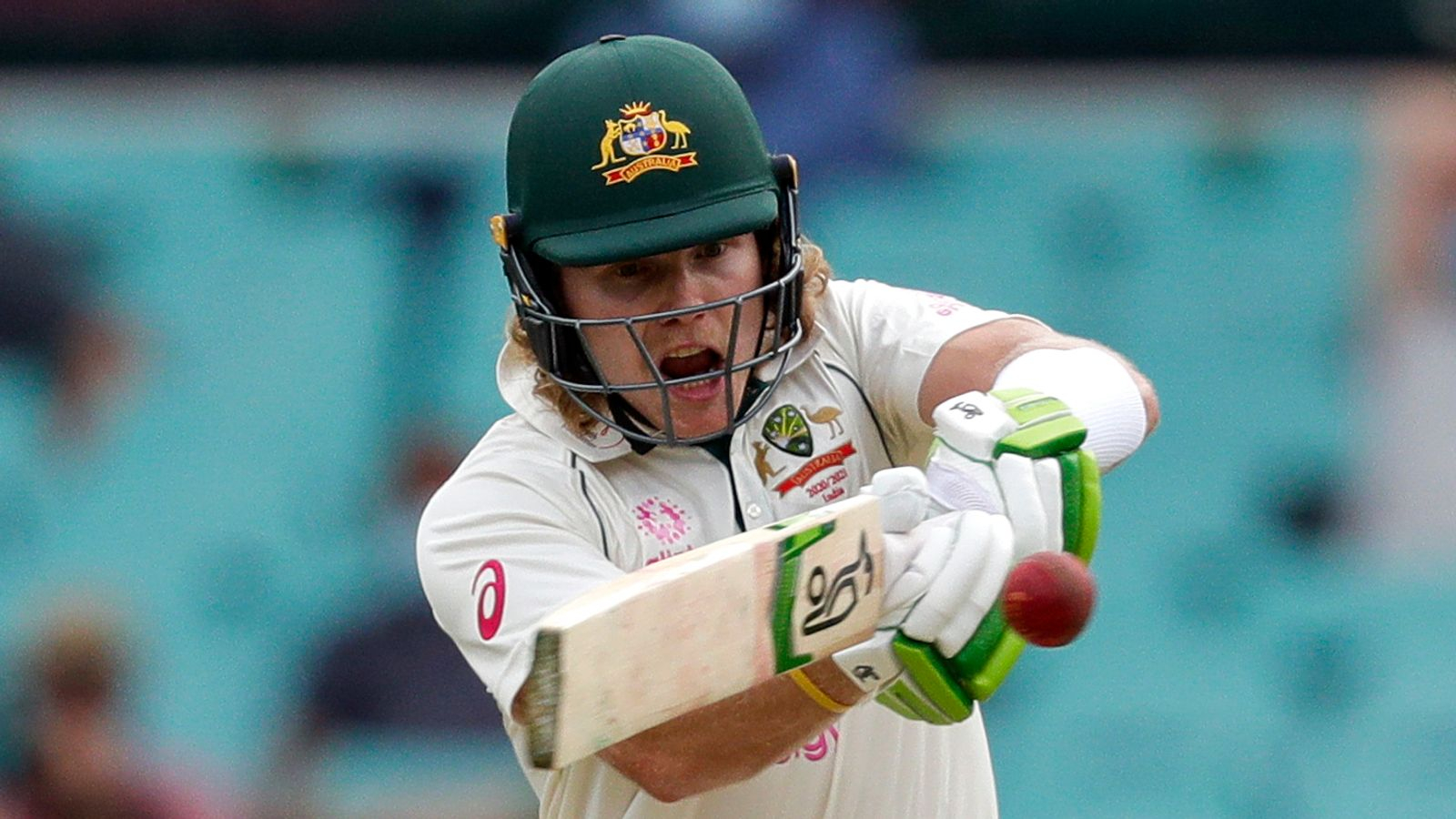
Ex-Australia cricketer Will Pucovski sues school over 2014 concussion handling
Will Pucovski, a former Australian cricketer, has taken legal action against his former school, alleging negligence in the handling of a concussion he sustained during a cricket match in 2014. This lawsuit highlights the critical issue of concussion management in sports, particularly at the youth level, where the long-term effects of head injuries are becoming increasingly recognized.
The Incident and Its Aftermath
In 2014, while representing his school in a cricket match, Pucovski suffered a significant head injury that ultimately led to a concussion. Despite the clear symptoms, the school authorities reportedly failed to follow appropriate protocols for concussion management. Pucovski alleges that this negligence has had lasting consequences on his health and career.
Following the incident, Pucovski experienced a series of debilitating symptoms, including headaches, dizziness, and cognitive difficulties. These issues not only affected his day-to-day life but also jeopardized his budding cricket career. As he progressed through the ranks, the repercussions of the 2014 incident continued to haunt him, leading to repeated absences from the game and ongoing health concerns.
The Legal Battle
In his lawsuit, Pucovski claims that the school failed to provide adequate medical attention at the time of the injury and did not follow the proper protocols for concussion assessment and management. He argues that this negligence not only exacerbated his injuries but also contributed to ongoing health issues that have plagued him for years.
The case has garnered significant attention, especially in light of the growing awareness around concussion protocols in sports. Many experts believe that schools and sports organizations must prioritize the health and safety of young athletes, ensuring that they receive immediate and appropriate care following head injuries.
Broader Implications for Youth Sports
Pucovski’s case is not an isolated incident; it reflects a broader trend in youth sports where the risks associated with concussions are often underestimated. Many young athletes are encouraged to "tough it out," leading to premature returns to play before fully recovering. This mentality can have severe long-term implications, including chronic traumatic encephalopathy (CTE) and other neurodegenerative conditions.
Sports organizations across the globe are now reevaluating their concussion policies, and Pucovski’s lawsuit may serve as a catalyst for change. Advocates for athlete safety argue that schools must implement comprehensive concussion management programs, which include proper training for coaches, teachers, and medical personnel on recognizing concussion symptoms and the necessity of immediate action.
The Response from the School
In response to the lawsuit, the school has stated that they are reviewing the claims made by Pucovski and are committed to ensuring the safety and well-being of their students. They emphasize that they have implemented various policies and procedures since 2014 to improve concussion management and athlete safety. However, critics argue that these measures may not be enough and that accountability must be established for past incidents.
The legal proceedings are likely to spark discussions about the responsibilities of educational institutions in protecting their students during sports activities. It raises important questions about liability and what constitutes adequate care for young athletes.
Raising Awareness
As Pucovski’s story unfolds, it serves as a reminder of the importance of concussion awareness in sports. Parents, coaches, and athletes must be educated about the signs and symptoms of concussions and the serious consequences of ignoring them. The dialogue surrounding athlete safety is more critical than ever, and cases like this can help push for better practices and protocols.
Several organizations are already advocating for changes in legislation to protect young athletes, including stricter guidelines for return-to-play protocols and mandatory training for coaches on how to handle suspected concussions. Pucovski’s lawsuit may further fuel these efforts, as it brings to light the real-world implications of negligence in concussion management.
Conclusion
Will Pucovski’s lawsuit against his former school over the handling of his concussion in 2014 is a significant step in addressing the ongoing issue of athlete safety in youth sports. As the legal proceedings unfold, they will undoubtedly influence the discussion surrounding concussion protocols and the responsibilities of educational institutions. The outcome of this case could pave the way for healthier practices in sports at the youth level, ensuring that the well-being of young athletes is prioritized above all else.
More News You Might Like

Loading more news...
You've reached the end of our news feed. Check back later for more updates!