
Business
Invetech & MeMed win 2026 Good Design Award Gold for MeMed Key™
October 9, 2026
2,539 views
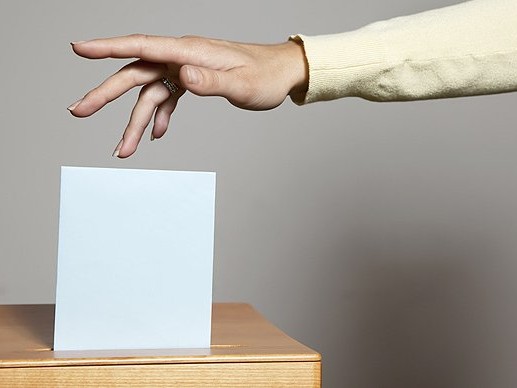
Elevated US gasoline and electricity prices are seeping into the upcoming midterm elections in November. As economic concerns take precedence, candidates are prioritizing consumer affordability over environmental issues. This shift in focus is evident in campaign strategies as politicians navigate the complex landscape of energy policy and its implications for their constituents. With both parties recognizing the impact of rising energy costs, the discourse around energy affordability is becoming a pivotal point in the electoral race.
According to recent reports, US residential electricity prices rose 7% in 2025 compared to 2024, as noted by S&P Global Market Intelligence. This increase is sparking concern among voters, particularly as they prepare to head to the polls. Ratepayers in 46 states are feeling the pinch, prompting candidates to address the pressing issue of energy costs in their campaigns. For many voters, the immediate concern is not climate change, but rather how to manage their household budgets in the face of soaring utility bills.
In an effort to connect with voters, Democrats have begun linking the recent gas price increases to former President Trump’s foreign policy decisions. This approach aims to highlight how international dynamics can have direct repercussions on domestic energy prices, thus affecting everyday Americans. By framing the discussion in this way, Democratic candidates are hoping to transform energy affordability into a key issue that resonates with voters who are feeling the economic strain.
Another critical aspect of the midterm races is the debate surrounding data center expansion and its impact on consumer rates. As the demand for digital infrastructure continues to surge, candidates are faced with the challenge of addressing the need for infrastructure investments while also considering the potential trade-offs for consumers. The growing footprint of data centers can lead to increased electricity demand, which may further drive up rates for residential users.
On the Republican side, candidates are seizing the opportunity to criticize the current administration’s energy policies. They argue that the rising prices are a direct result of regulatory decisions that have hindered domestic energy production. By advocating for policies that promote energy independence, Republicans aim to position themselves as champions of affordability, appealing to voters who are concerned about their financial well-being amid rising costs.
As the midterm elections approach, surveys indicate that voter sentiment is shifting towards prioritizing affordability over environmental concerns. Many Americans are expressing a desire for practical solutions that will alleviate their immediate financial burdens. This sentiment is likely to shape campaign messaging and candidate platforms in the weeks leading up to the election.
The upcoming midterm elections are set to be a battleground for energy policy, where the focus on affordability is overshadowing traditional climate advocacy. Candidates from both parties must navigate this delicate balancing act, addressing the financial concerns of their constituents while still acknowledging the long-term implications of energy usage and climate change. As the discourse evolves, it will be crucial for voters to engage with candidates on these issues, ensuring that energy policies reflect both immediate needs and future sustainability.

Loading more news...
You've reached the end of our news feed. Check back later for more updates!