Politics
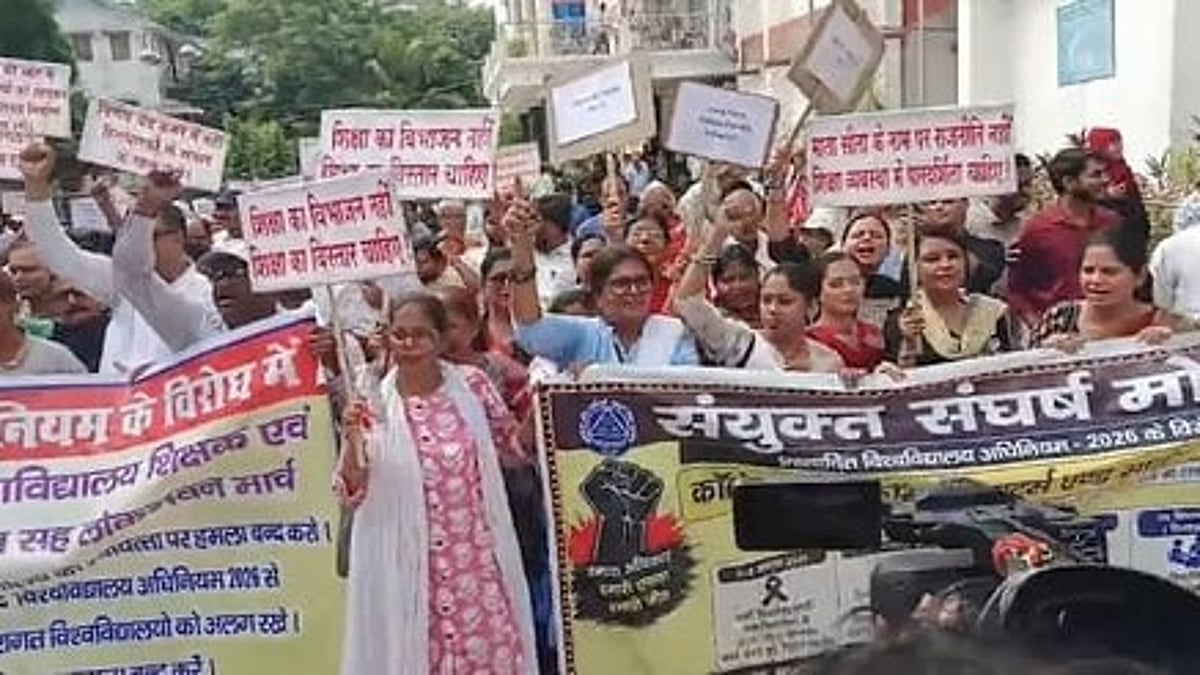
Bihar: Over 50 held in protest against Mata Sita women’s university
October 10, 2026
1,707 views

On Monday, the Cockroach Janta Party (CJP) brought serious allegations against the Delhi Police, claiming that they resorted to excessive force during the much-anticipated 'Sansad Chalo' march. This demonstration, aimed at voicing the concerns of students and activists, quickly escalated into a chaotic confrontation between the police and protesters. Reports indicate that several students sustained injuries, and notable activist Sonam Wangchuk's wife, Gitanjali J Angmo, was reportedly mishandled during the police action. In response to the police's aggressive stance, the CJP has vowed to maintain its protest, staging a sit-in near Kerala House after authorities dismantled their stage at Jantar Mantar.
The 'Sansad Chalo' march was organized as a peaceful demonstration to address pressing issues affecting the student community and to challenge governmental policies perceived as oppressive. The CJP, a group known for advocating for the rights of students and marginalized communities, aimed to create a platform for dialogue and assertion of rights. However, the situation took a turn for the worse when police intervened, leading to allegations of brutality.
The CJP's accusations highlight a troubling trend of police violence against peaceful protesters. Eyewitness accounts suggest that the police employed heavy-handed tactics, including physical force to disperse the crowd. Protesters reported instances of being pushed, shoved, and even struck by officers, leading to injuries among several individuals. The situation was further exacerbated when Gitanjali J Angmo, spouse of the prominent activist Sonam Wangchuk, was allegedly pushed during the escalation, prompting outrage from supporters and bystanders alike.
In the aftermath of the confrontation, CJP leaders held a press conference where they expressed their dismay at the police's actions. They emphasized that the right to protest is a fundamental democratic right and criticized the police for their heavy-handed approach. "We will not back down; we will continue to fight for our rights and the rights of all students," declared a CJP spokesperson. The group announced plans for further protests and a series of sit-ins to keep the momentum of their cause alive, despite facing opposition from law enforcement.
Peaceful protests serve as a cornerstone of democratic expression, allowing citizens to voice their concerns and demand accountability from their government. The CJP's 'Sansad Chalo' march was intended to uphold this principle, advocating for student rights and highlighting issues such as educational inequality and government overreach. However, the violent response from police raises serious questions about the state of civil liberties in India and the treatment of peaceful protesters.
The public response to the events surrounding the protest has been overwhelmingly supportive of the CJP. Social media platforms have seen a surge of posts condemning police brutality and expressing solidarity with the protesters. Many activists, students, and ordinary citizens have voiced their concerns about the implications of such actions on democracy and civil rights. Hashtags related to the protest have trended, drawing attention to the plight of the students and the need for reform in policing practices.
As the CJP prepares for its next actions, the organization is calling for widespread community engagement to bolster their efforts. They plan to organize workshops, discussions, and rallies to educate the public about their cause and the importance of standing up against oppression. The CJP is also reaching out to other student organizations and civil rights groups to form a united front against what they describe as an increasingly authoritarian regime.
The clash between the CJP and the Delhi Police during the 'Sansad Chalo' march serves as a critical reminder of the ongoing struggle for civil rights in India. As the CJP vows to continue their protests, the incident has spurred a broader conversation about police accountability and the necessity of protecting the rights of individuals to assemble peacefully. The coming weeks will be pivotal for the movement, as they seek to maintain pressure on the government and advocate for change in a climate of resistance.


Loading more news...
You've reached the end of our news feed. Check back later for more updates!