
Politics
Bihar: Over 50 held in protest against Mata Sita women’s university
October 10, 2026
1,707 views
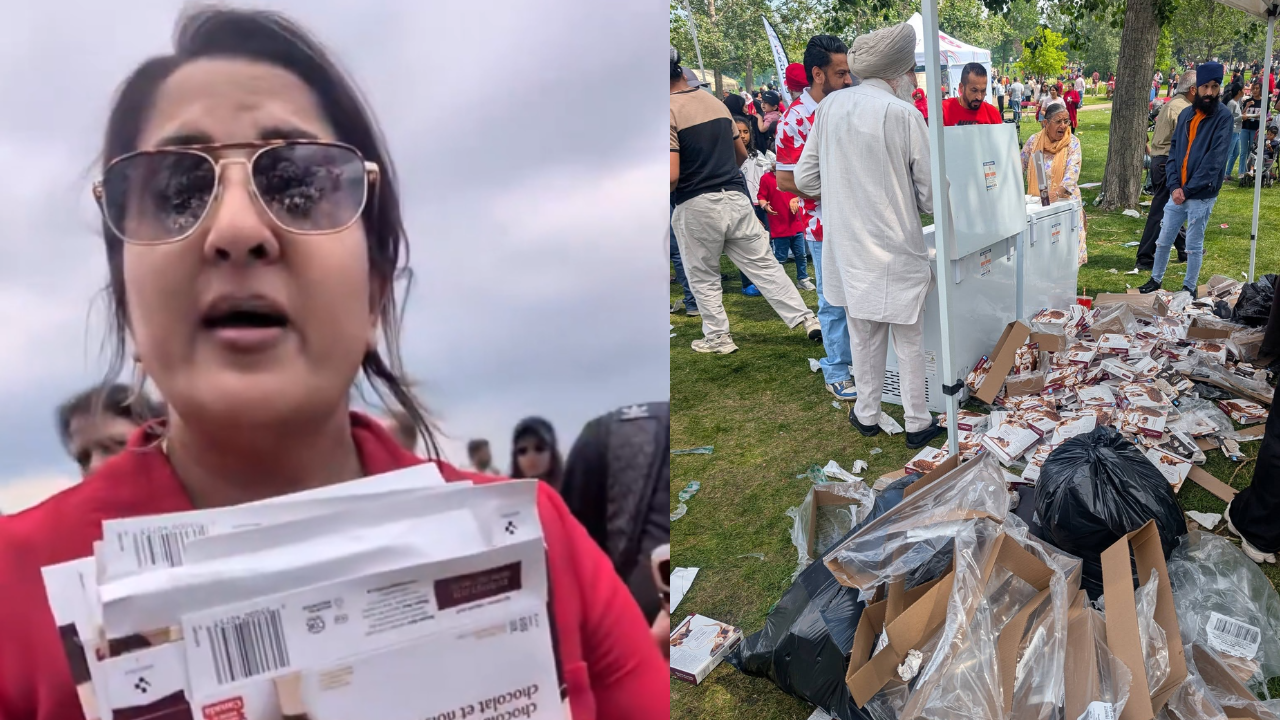
On Canada Day, a viral video emerged depicting a confrontation in a Calgary park that has ignited significant debate across social media platforms. The video captures a woman expressing her frustration towards a group of volunteers who were actively cleaning up litter left behind after the celebrations. The incident has raised important questions about community responsibility, cultural perceptions, and the ongoing challenges of public discourse in multicultural settings.
The video in question features a woman approaching volunteers from the Guru Nanak Free Kitchen and the Ahmadiyya Muslim Community, who had remained at the park after the Canada Day festivities to help clean up. The woman, visibly upset, attributed the littering problem to the Indian community, explicitly blaming them for the scattered garbage. This claim was met with immediate pushback from the volunteers, who stressed that the trash did not originate from their food service stalls.
In the wake of the incident, the organizers of the community service efforts took to social media to clarify the situation. They shared photos of the park post-cleanup, showcasing a pristine public space devoid of the litter that had previously sparked the confrontation. Their efforts were aimed at highlighting the positive contributions of diverse communities to local events, especially during national celebrations like Canada Day.
This incident has opened the floor for a broader conversation about how communities perceive one another, especially in a multicultural nation like Canada. Many have pointed out that attributing blame to specific ethnic groups for acts of littering can perpetuate harmful stereotypes and distract from the shared responsibility that all citizens have towards maintaining public spaces.
In response to the backlash, community leaders have emphasized the importance of engaging in constructive dialogue. They argue that rather than pointing fingers, it is essential to foster an environment where individuals from all backgrounds can come together to address issues like littering collectively. This could involve community cleanup days, educational programs about proper waste disposal, and initiatives aimed at celebrating the diversity within Canadian society.
The incident quickly gained traction online, with many users expressing outrage over the woman's comments. Supporters of the volunteers praised their efforts and condemned the act of blaming a specific community for a widespread issue. Some users highlighted the importance of focusing on the actions of individuals rather than their ethnic backgrounds, advocating for a more inclusive approach to community issues.
Volunteers from various backgrounds play a crucial role in maintaining the cleanliness and vibrancy of public spaces. The actions of the Guru Nanak Free Kitchen and Ahmadiyya Muslim Community serve as a reminder of how community service can bridge cultural gaps and foster understanding. Their willingness to remain after a public event to clean up reflects a commitment to civic responsibility that transcends cultural lines.
In the aftermath of this incident, there is a call to action for communities to engage positively and collaboratively. Initiatives such as neighborhood clean-up days or community picnics can help build bridges among different cultural groups. By working side by side, community members can foster a sense of unity and belonging while addressing shared challenges.
The Canada Day incident serves as a poignant reminder of the importance of community and the need for respect and understanding among diverse groups. As Canadians navigate their multicultural landscape, it is vital to focus on collective responsibility rather than divisive rhetoric. By promoting dialogue and cooperation, communities can work towards a cleaner, more inclusive future for all.
Ultimately, fostering respect and understanding among various cultural groups will not only enhance community spirit but also ensure that all voices are heard and valued. As Canada continues to celebrate its rich tapestry of cultures, it is essential to remember that together, we can create a more harmonious and responsible society.


Loading more news...
You've reached the end of our news feed. Check back later for more updates!