Politics
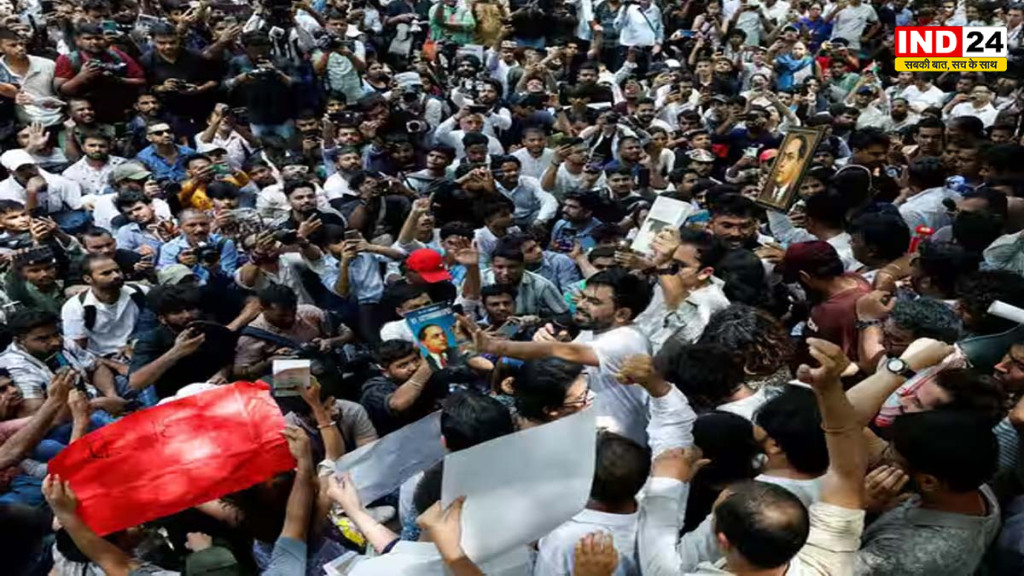
धरना-प्रदर्शनों का नया कारोबार: लोकतंत्र की आड़ में आखिर किसके हित साधे जा रहे हैं?
October 10, 2026
1,612 views

In a surprising turn of events, the recent Assembly by-election results have dealt a significant blow to the Bharatiya Janata Party (BJP), which has historically viewed certain constituencies as its strongholds. The losses in Bankipur and Datia not only signify a shift in voter sentiment but also serve as a crucial political moment for the opposition, particularly for Prashant Kishor's Jan Suraaj Party. This outcome raises important questions about the BJP's strategy and its ability to maintain its dominance in the rapidly changing political landscape of India.
The by-elections in Bankipur and Datia were closely watched by political analysts and party workers alike. These regions were once considered bastions of the BJP, where the party had consistently secured victories in past elections. The loss in these constituencies has sent ripples through the party's ranks, prompting leaders to reassess their strategies and outreach efforts. The results have not only highlighted the growing discontent among voters but have also provided an opportunity for the opposition to consolidate their position and challenge the BJP’s long-time supremacy.
The defeats in Bankipur and Datia are significant for several reasons. Firstly, they indicate a potential erosion of the BJP’s voter base, especially in regions where the party has enjoyed unwavering support. Analysts suggest that factors such as rising inflation, unemployment, and local governance issues may have contributed to the party's poor performance. Moreover, the presence of Prashant Kishor’s Jan Suraaj Party, which has focused on grassroots mobilization and addressing local issues, has resonated with voters looking for alternatives.
For the opposition, these by-poll results are a morale booster, particularly for Prashant Kishor's Jan Suraaj Party, which is still emerging as a formidable player in state politics. Kishor, known for his strategic acumen in election campaigns, has successfully tapped into the dissatisfaction among voters and offered a fresh perspective on governance. The victories in Bankipur and Datia could pave the way for greater collaboration among opposition parties, potentially uniting them against the BJP in future electoral battles.
In light of these results, the BJP is now faced with the challenge of regrouping and addressing the concerns of its constituents. Party leaders have acknowledged the need for introspection and have called for a comprehensive analysis of the electoral outcomes. Moving forward, the BJP may need to recalibrate its approach, focusing more on local issues and enhancing its grassroots connectivity. This could involve increasing engagement with community leaders, addressing public grievances more effectively, and showcasing successful governance initiatives to regain voter confidence.
The recent by-election results serve as a wake-up call for the BJP, urging it to recognize the shifting dynamics of voter preferences in India. As the political landscape evolves, the party must adapt to the changing sentiments of the electorate. This entails not only reinforcing its base but also reaching out to disenchanted voters who may have turned to alternative parties. The upcoming elections will be a litmus test for the BJP as it seeks to reclaim its status and solidify its presence in key constituencies.
The losses in Bankipur and Datia represent a critical juncture for the BJP and the broader political landscape in India. As the opposition rises to the occasion, the ruling party must confront its challenges head-on and embrace a more responsive and inclusive approach. The next steps taken by the BJP will be pivotal in determining its fate in the upcoming electoral contests. As political dynamics continue to shift, it remains to be seen how the party will navigate the complexities of voter expectations and governance.


Loading more news...
You've reached the end of our news feed. Check back later for more updates!