Politics
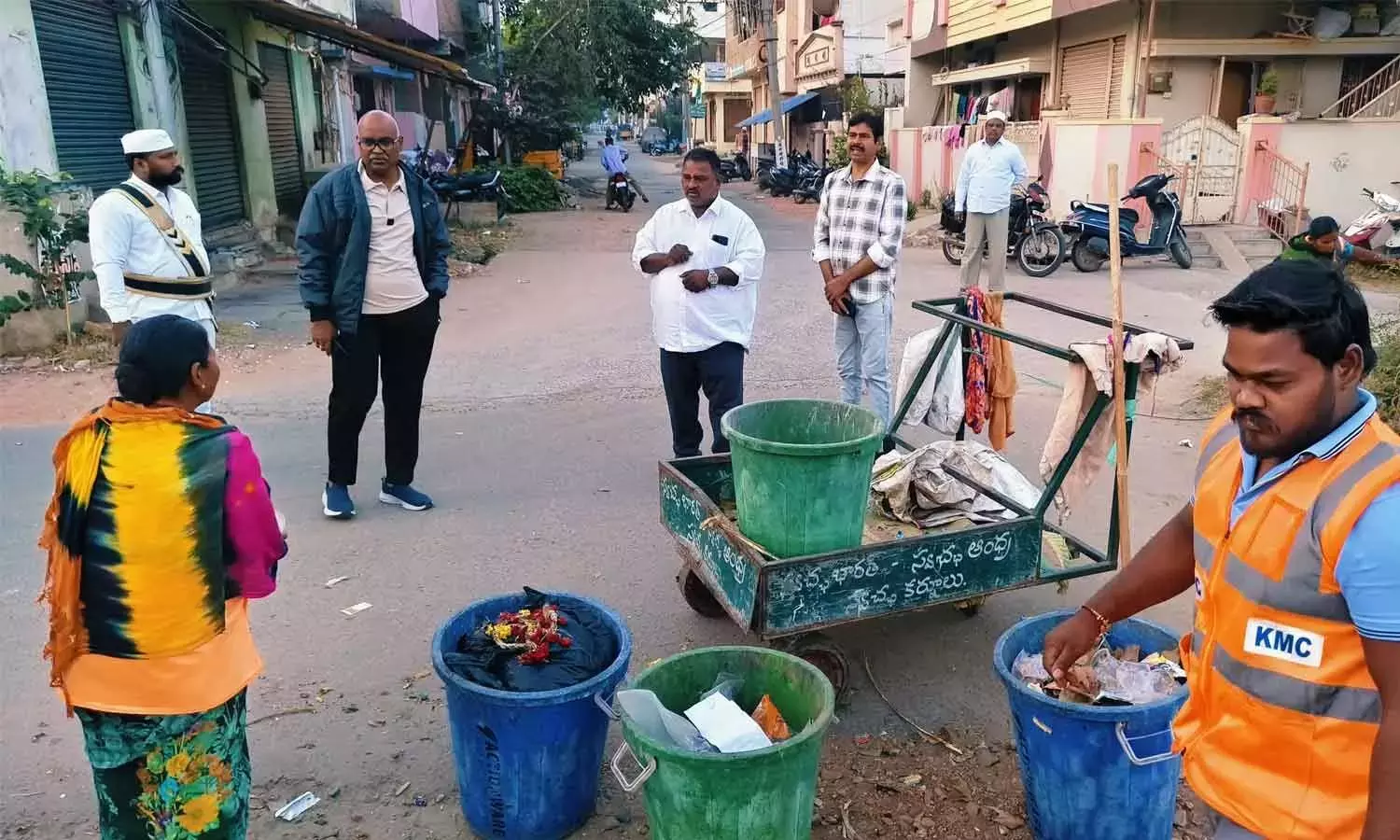
स्वच्छता कार्य में लापरवाही पर कड़ी कार्रवाई होगी: केएमसी आयुक्त
November 19, 2026
2,481 views
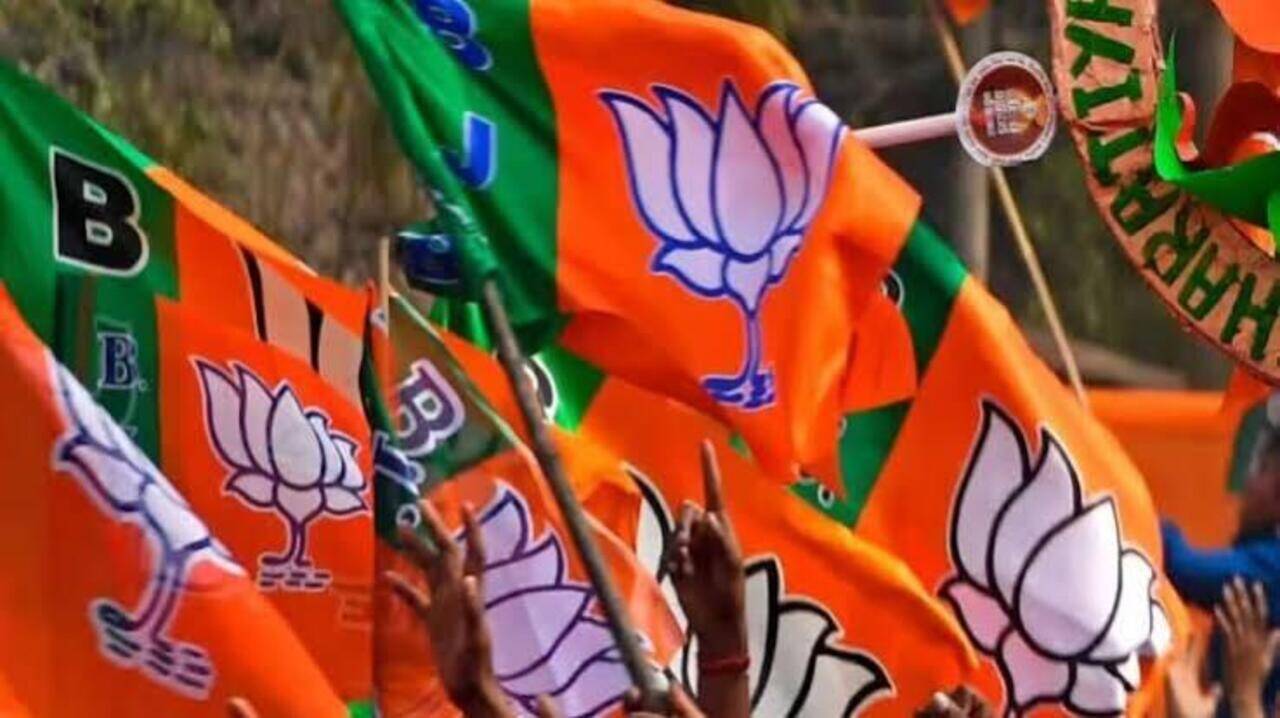
As the political landscape in Uttar Pradesh (UP) heats up ahead of the upcoming elections, the Bharatiya Janata Party (BJP) is reportedly considering a strategy inspired by its recent success in Bihar. This strategic move aims to consolidate its position and mitigate the influence of the Samajwadi Party (SP) in the crucial battleground state of UP. With the stakes high, the BJP is looking to replicate the tactics that have proven effective in Bihar, where it successfully navigated a complex political environment.
The BJP's approach in Bihar has involved a multifaceted strategy that includes robust grassroots mobilization, strategic alliances, and targeted messaging. Central to this playbook is the emphasis on addressing local issues while simultaneously projecting a strong national narrative. The party has focused on development, law and order, and social welfare schemes, which have resonated well with the electorate. By tailoring its message to address the specific needs and concerns of the Bihar populace, the BJP managed to secure a significant victory despite facing formidable opposition.
In UP, the BJP plans to implement similar grassroots mobilization strategies. This involves engaging with local leaders and activists to bolster the party’s outreach at the village and ward levels. The BJP is keenly aware that the strength of its support base lies within the communities, and thus, it is focusing on door-to-door campaigns and local events to connect with voters directly. The party aims to create a sense of belonging and ownership among the electorate to galvanize support.
Another key aspect of the Bihar playbook that the BJP is keen to replicate in UP is the formation of strategic alliances. In Bihar, the BJP successfully collaborated with various regional parties to counter the dominant opposition. In Uttar Pradesh, where the SP has a significant voter base, the BJP is exploring potential alliances with smaller parties and influential local leaders who can sway undecided voters. By broadening its coalition, the BJP hopes to create a formidable front against the SP, thereby enhancing its electoral prospects.
The BJP's messaging in UP is expected to be sharply focused, drawing from the successes in Bihar. The party intends to highlight its achievements in governance, such as infrastructure development, economic growth, and social welfare initiatives. Additionally, the BJP aims to counter the narratives propagated by the SP by emphasizing the importance of stability and security in governance. By framing the elections as a choice between progress and regression, the BJP hopes to rally support across diverse demographic groups.
To further strengthen its position, the BJP is keen on addressing local concerns that resonate with the electorate. In Bihar, the party identified issues such as unemployment, education, and healthcare as pivotal in swaying public opinion. Similarly, in UP, the BJP is expected to engage with the electorate on pressing issues such as farmer distress, unemployment, and women’s safety. By showcasing tangible solutions and development plans, the party aims to build trust and credibility among voters.
Recognizing the demographic makeup of UP, the BJP is also prioritizing the engagement of youth and women voters. In Bihar, the party's initiatives to empower women and create job opportunities for the youth played a crucial role in garnering support. The BJP is likely to launch targeted campaigns aimed at these demographics, showcasing its commitment to inclusivity and development. By leveraging social media and innovative outreach methods, the party hopes to resonate with the younger electorate, who play a significant role in shaping electoral outcomes.
The Samajwadi Party, led by Akhilesh Yadav, remains a formidable opponent in UP. The BJP is acutely aware of the challenges posed by the SP's established voter base, which includes significant sections of the Muslim and Yadav communities. To counter this influence, the BJP is expected to adopt a two-pronged approach: focusing on outreach to marginalized communities while also attempting to sway traditional SP voters by highlighting the BJP's development agenda.
A key point in the BJP's strategy will be its emphasis on law and order, which has been a cornerstone of its governance narrative. Drawing from its experience in Bihar, the BJP will likely stress its commitment to safety and security, particularly in light of recent incidents that have raised concerns among voters. By portraying itself as the party of stability, the BJP aims to gain the trust of the electorate, positioning itself as the preferable choice over the SP, which has faced criticism regarding law enforcement and governance.
The BJP's contemplation of the Bihar playbook signifies its proactive approach in navigating the complex political environment of Uttar Pradesh. By focusing on grassroots mobilization, strategic alliances, targeted messaging, and addressing local concerns, the party hopes to consolidate its support base and enhance its electoral prospects against the Samajwadi Party. As the elections draw nearer, the effectiveness of this strategy will be put to the test, and the BJP's ability to adapt and respond to the evolving political dynamics will be crucial in determining the outcome of the polls.


Loading more news...
You've reached the end of our news feed. Check back later for more updates!