
Politics
Why has US paused visa appointments worldwide? Here’s what Trump’s latest immigration crackdown means for Indian applicants
August 26, 2026
1,175 views
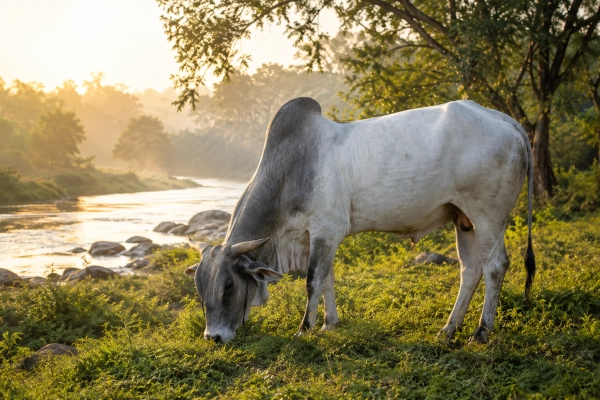
Amritmahal cattle, a breed originating from the southern Indian state of Karnataka, are renowned for their remarkable strength, speed, and endurance. This breed has historical significance, intertwined with the legacy of the Mysore rulers who recognized the importance of maintaining high-quality livestock. The term "Amrit Mahal" itself is derived from a royal establishment dedicated to the care and breeding of cattle that were essential to the agricultural and military needs of the state.
The history of Amritmahal cattle dates back to the time of the Wadiyar dynasty in Mysore, where these magnificent animals were bred for their exceptional qualities. The breed is a result of selective breeding practices that aimed to enhance the desirable traits found in local cattle varieties such as Hallikar, Hagalvadi, and Chitaldroog or Chitradurga cattle. The establishment of the Amrit Mahal was a pivotal move by the rulers to ensure that these robust animals were preserved and cultivated effectively for agricultural work and transport.
Amritmahal cattle are primarily recognized for their tall and muscular build, which contributes to their strength and ability to perform strenuous tasks. They typically have a well-defined frame, with long legs and a strong neck, making them suitable for plowing and other agricultural activities. Their endurance is noteworthy, allowing them to work long hours in the fields without showing signs of fatigue. Moreover, their speed makes them ideal for transportation, especially in rural areas where roads may be less developed.
In Karnataka, Amritmahal cattle play a crucial role in the agricultural sector. Farmers rely on these animals for various tasks, from plowing fields to transporting goods. Their ability to thrive in the local climate, coupled with their adaptability to different farming conditions, makes them invaluable to the livelihoods of many families. Additionally, the economic impact of Amritmahal cattle extends beyond agriculture; they are often used in local fairs and exhibitions, showcasing their beauty and strength, which helps promote awareness and appreciation of this indigenous breed.
Despite their historical significance and contributions to agriculture, Amritmahal cattle have faced challenges in recent years, including crossbreeding with other cattle types and a decline in purebred populations. To address these concerns, various organizations and government initiatives have been established to promote the conservation of this breed. These efforts focus on raising awareness about the importance of preserving indigenous cattle breeds, providing farmers with resources to maintain purebred stock, and encouraging the use of Amritmahal cattle in sustainable farming practices.
The cultural significance of Amritmahal cattle extends beyond their practical uses. They are often featured in local festivals and traditional ceremonies, symbolizing prosperity and strength within the community. The breed's connection to the heritage of Karnataka is celebrated through various art forms, folklore, and community events, fostering a sense of pride among the locals. Recognizing the importance of this breed in cultural identity, many initiatives have been launched to promote traditional farming methods and showcase the unique attributes of Amritmahal cattle.
Looking ahead, the future of Amritmahal cattle relies on the continued commitment to conservation and sustainable agricultural practices. With the growing interest in organic farming and local livestock breeds, there is a renewed focus on the benefits that Amritmahal cattle can bring to modern agriculture. By fostering collaboration between farmers, researchers, and conservationists, it is possible to ensure that this legendary breed thrives for generations to come.
The Amritmahal cattle are more than just a breed; they are a testament to Karnataka's rich agricultural heritage and the dedication of its people to preserving their traditions. With their remarkable strength, speed, and endurance, these animals continue to play a vital role in the lives of many, serving as a bridge between the past and the future. By supporting conservation efforts and promoting sustainable practices, we can honor the legacy of Amritmahal cattle and secure their place in the heart of Karnataka's agricultural landscape.


Loading more news...
You've reached the end of our news feed. Check back later for more updates!