
Business
200th St Langley Family Dentistry Outlines Invisalign Costs and Insurance Limits
November 23, 2026
978 views
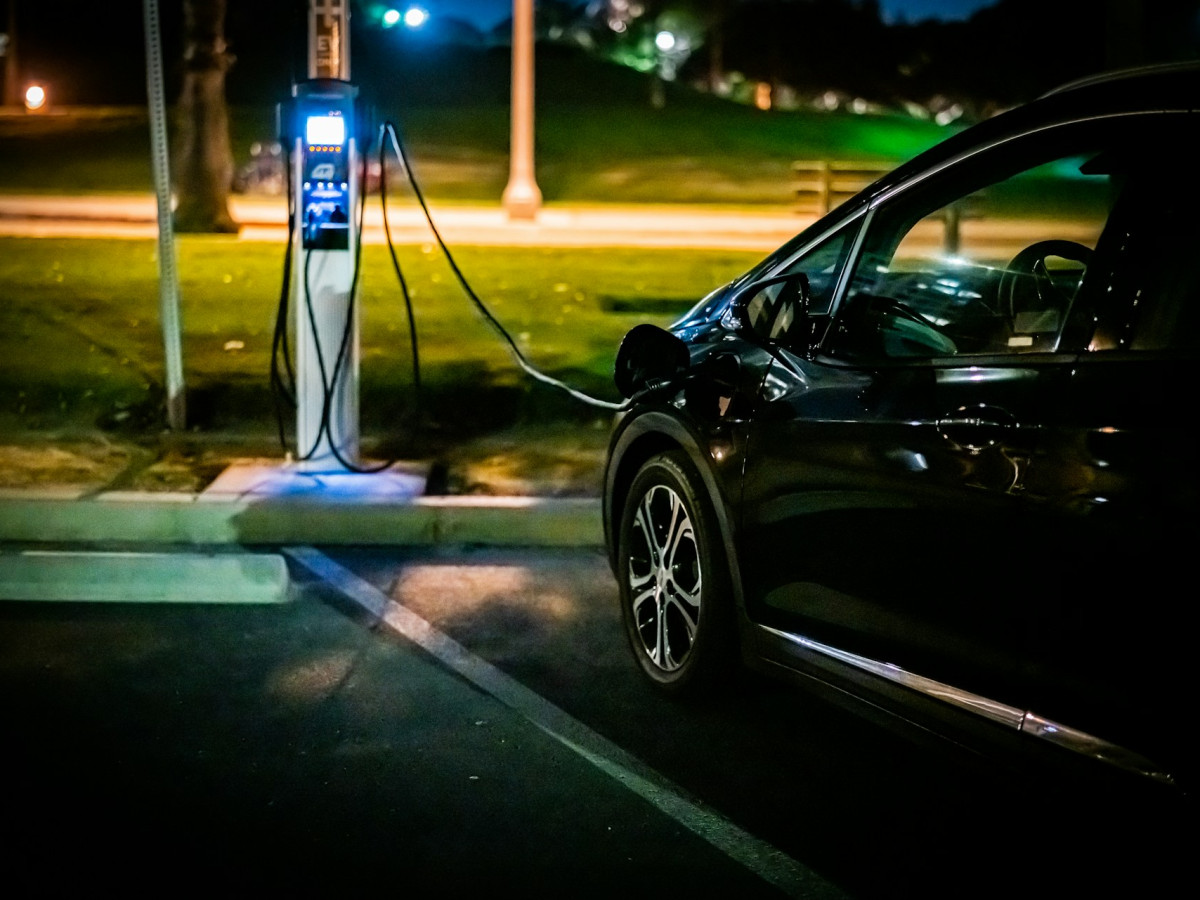
Gasoline prices soared above $4.40 a gallon in the United States in September, reflecting a broader trend in the oil market as Brent crude consistently traded above the $100 per barrel mark since early September. This price increase, which is a significant jump from around $60 before the onset of the Iran war, has had a profound impact on consumer behavior and the automotive industry. The surge in fuel costs has prompted drivers to seek alternatives, leading to a noticeable uptick in the sales of hybrid and electric vehicles (EVs).
As the cost of gasoline escalated, U.S. consumers began to shift their purchasing preferences. Sales of new hybrids in the U.S. surged by 24% through the third quarter, showcasing a growing interest in more fuel-efficient vehicles. Meanwhile, across Europe, the scenario was even more pronounced, with battery-electric vehicle registrations experiencing a remarkable 52% increase in August alone. According to the International Energy Agency, it is projected that EVs will account for nearly 30% of global car sales this year, indicating a significant transition in consumer sentiment towards electrification.
This dramatic shift in consumer behavior should have served as a boon for the electrification sector, propelling growth for companies involved in the production and sale of electric vehicles and their components. However, a recent Bloomberg gauge monitoring 104 EV-linked companies has indicated a more complex reality. Despite the burgeoning demand for electric vehicles, the market's response has not been as robust as anticipated, suggesting that external factors may be influencing the pace of electrification.
Amidst the backdrop of rising oil prices and shifting consumer preferences, several stocks have emerged as frontrunners in the electrification trend. Here are five key players in the market that are capitalizing on the transition to electric vehicles:
The transition to electric vehicles is not just a passing trend but a fundamental shift in the automotive industry. As oil prices remain volatile, the incentive for consumers to switch to EVs will only grow stronger. The combination of government incentives, rising fuel costs, and increasing environmental awareness will continue to drive the demand for electric vehicles. Companies that are early adopters of this transition will likely reap the benefits as the market evolves.
In light of the current economic landscape characterized by high oil prices, the automotive sector is witnessing a transformative shift towards electrification. With significant increases in hybrid and electric vehicle sales, the demand for innovative EV solutions is on the rise. Investors and consumers alike should keep an eye on the aforementioned companies as they navigate this changing landscape and capitalize on the emerging opportunities within the electrification trade.


Loading more news...
You've reached the end of our news feed. Check back later for more updates!